

426
Years
IV
Centuries
Of History Shaping the World of Today.
1500s
Archival Note: Direct documentary records for the Mytropolskyi and Charnysh families during the 16th century remain limited. Early accounts rely on genealogical reconstruction and regional historical sources.
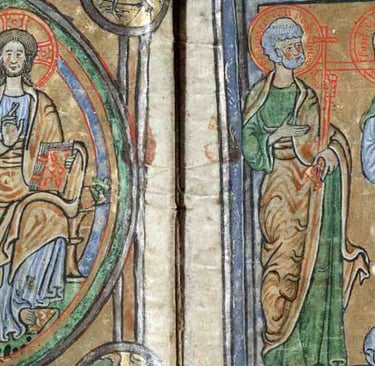
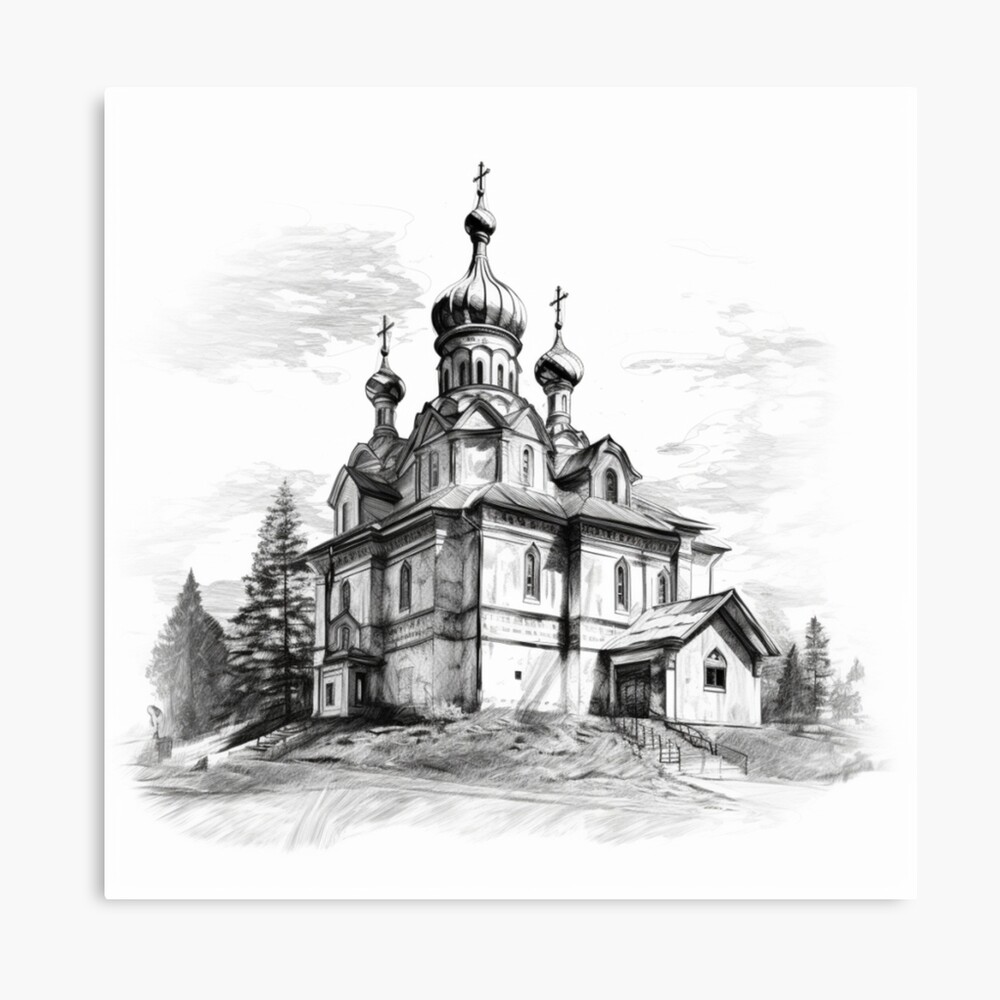
The surname Mytropolskyi likely derives from the ecclesiastical title “Metropolitan,” indicating early association with the administrative and intellectual structures of the Eastern Orthodox Church.
In early modern Eastern Europe, ecclesiastical institutions functioned as the primary centers of literacy, manuscript preservation, and legal administration. Monasteries and episcopal offices preserved historical records, translated theological works, and administered educational institutions.
Members of the early Mytropolskyi lineage are believed to have participated in these intellectual traditions, contributing to the preservation of written culture and scholarship during a period of continuous political upheaval in the Ukrainian lands.
This early emphasis on education and intellectual discipline would become a defining characteristic of the lineage for centuries to come.

1677–1678
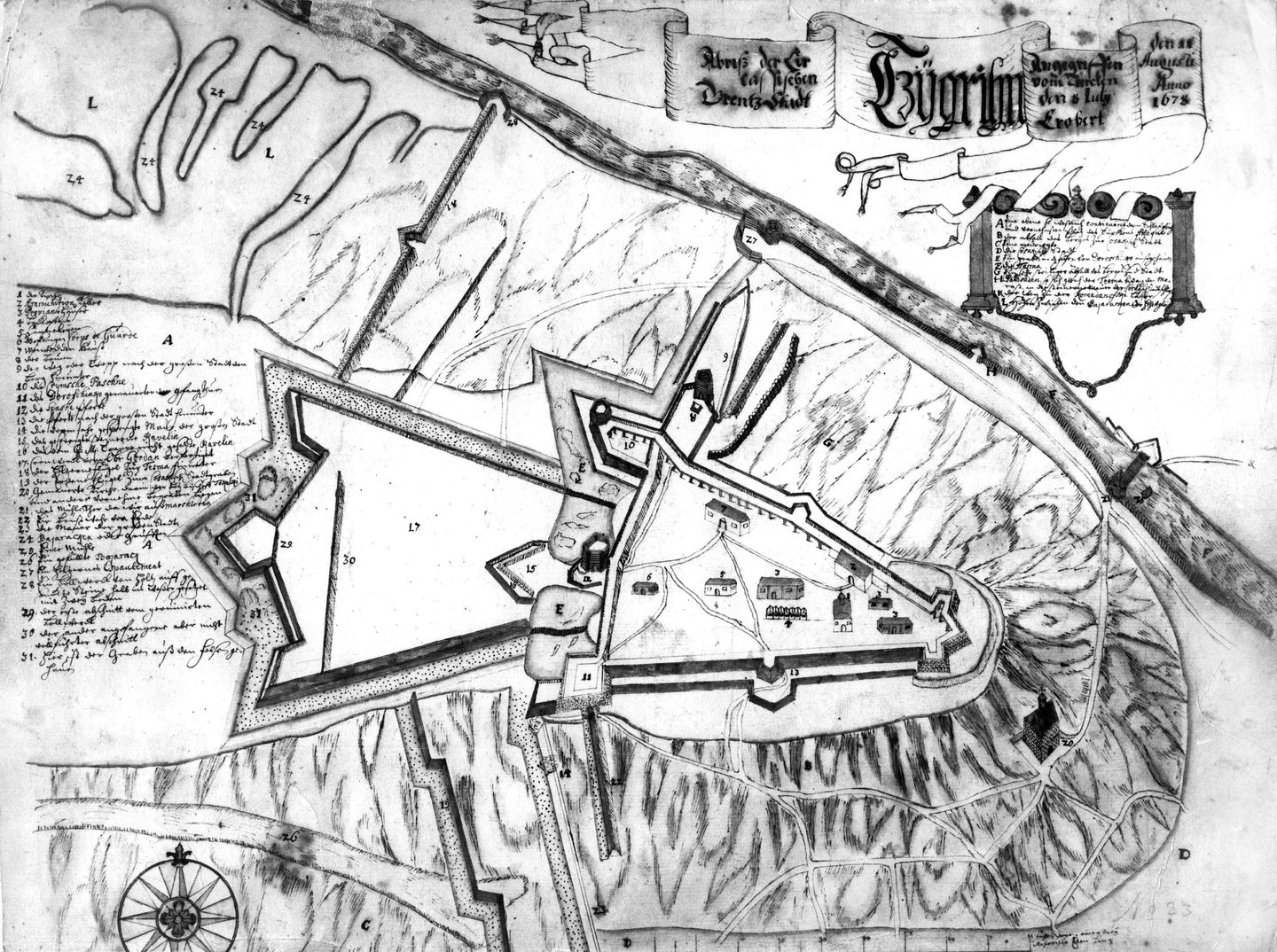
The Chyhyryn
Campaigns
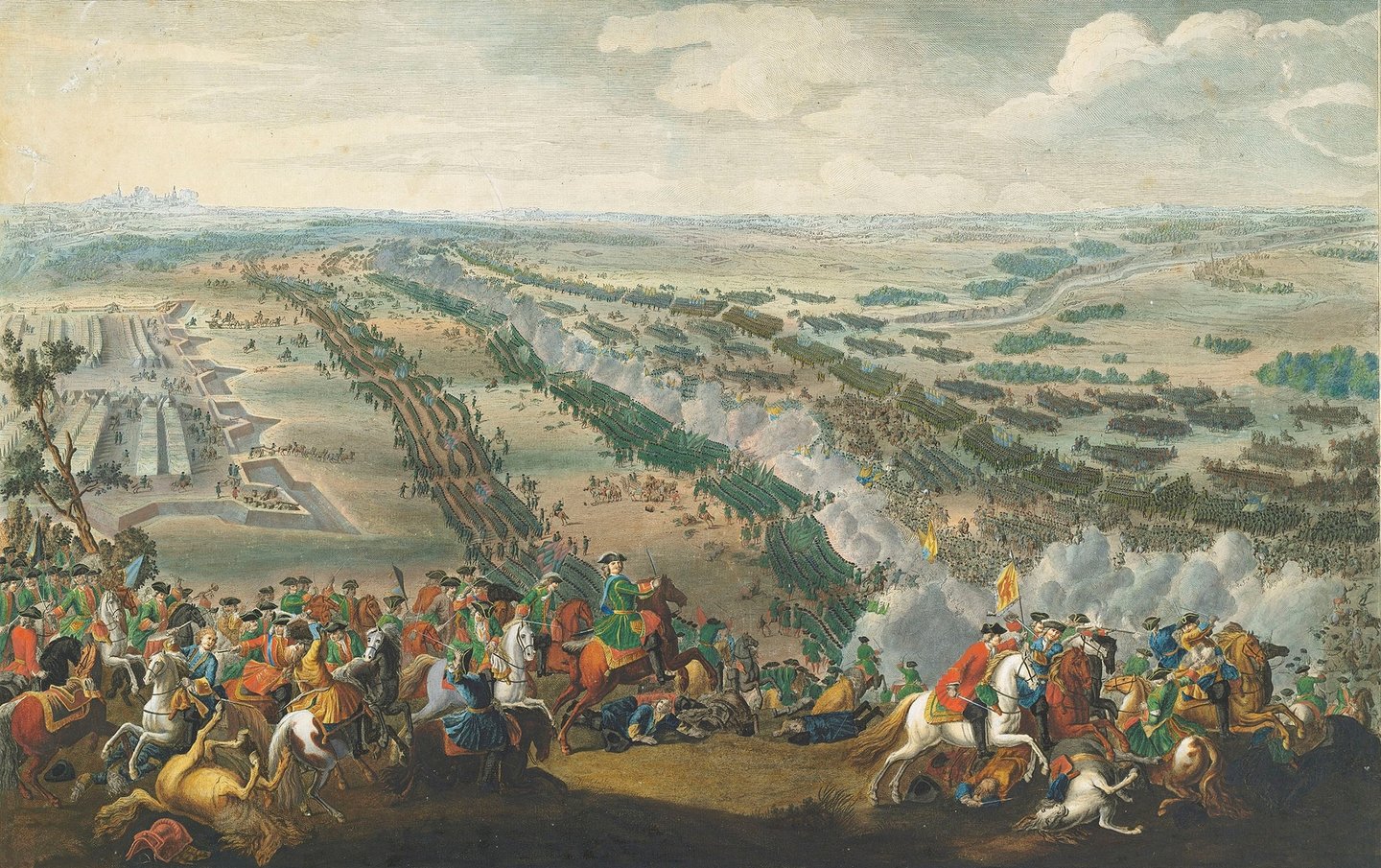
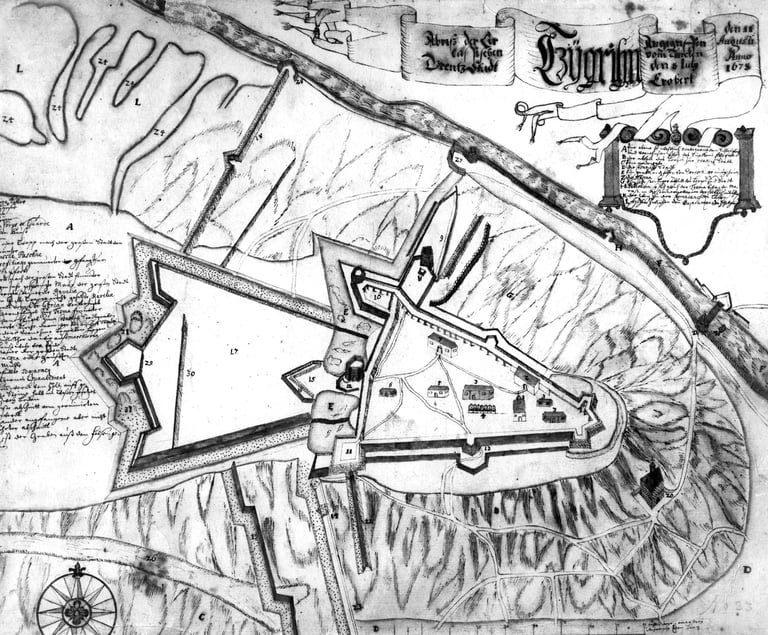
The first documented appearance of the Charnysh lineage occurs during the turbulent military conflicts of the late seventeenth century.
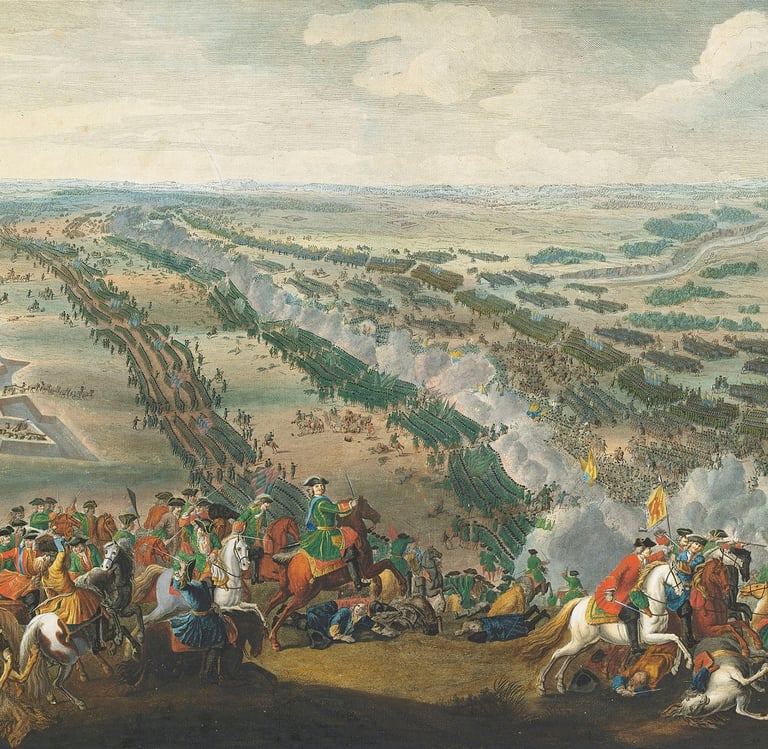
During the Chyhyryn Campaigns, the Ukrainian territories became a strategic battleground between the Ottoman Empire, the Polish-Lithuanian Commonwealth, and Muscovite forces.
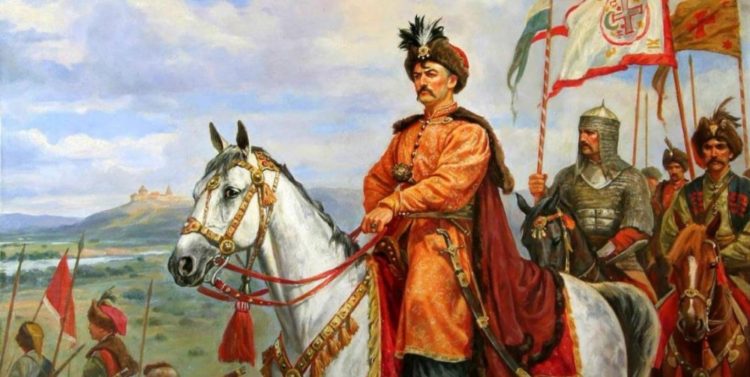
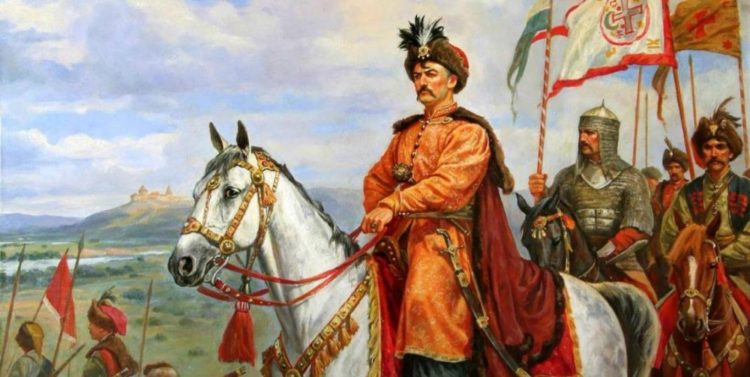
Fedor Charnysh
Fedor Charnysh served among the Cossack officers who defended the region during these campaigns. These conflicts played a crucial role in shaping the political structure of the emerging Cossack state.
1709–1728
The Rise of the Charnysh Statesmen
The Charnysh family would soon move beyond military leadership into the governing institutions of the Cossack Hetmanate.
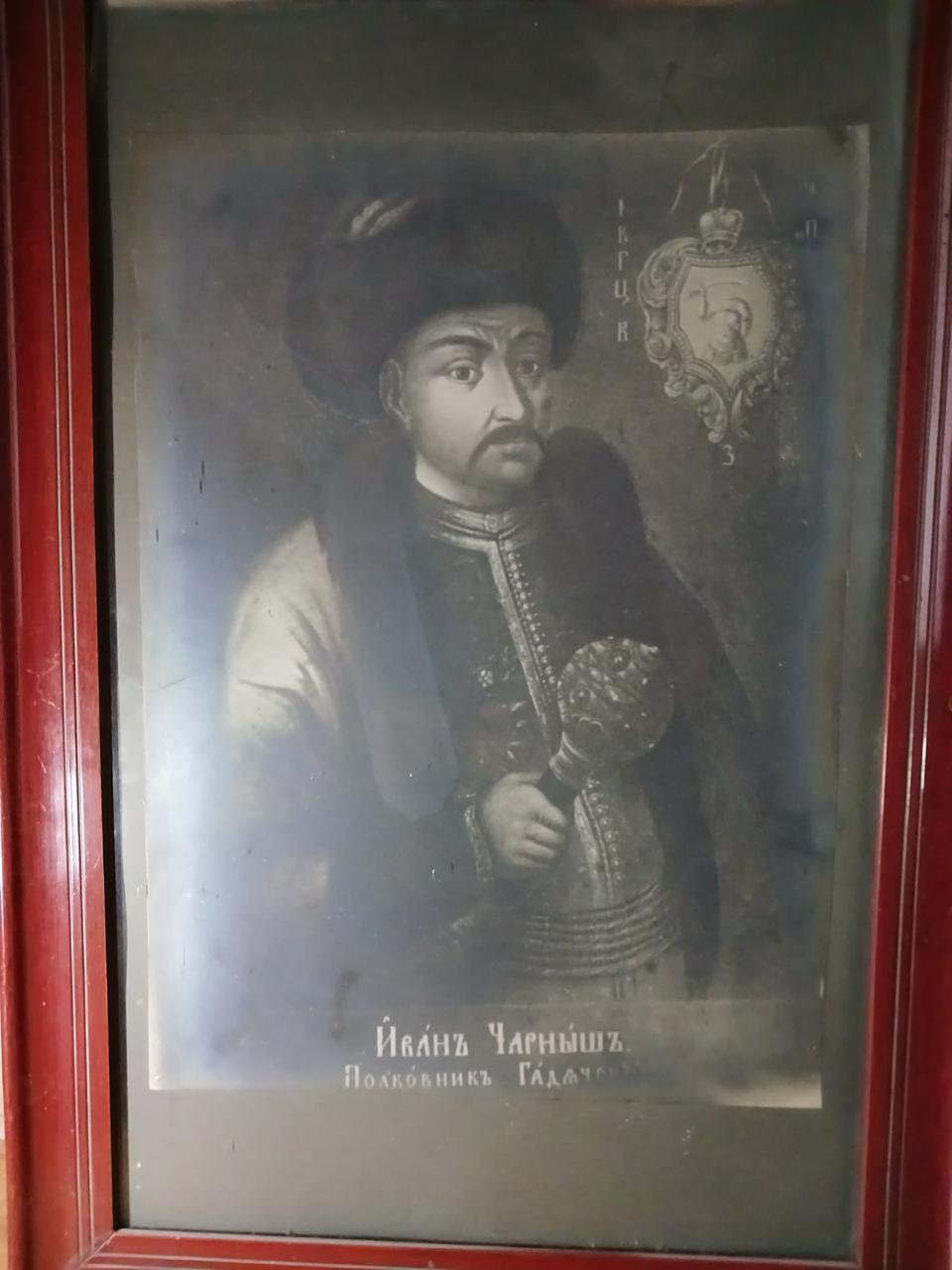
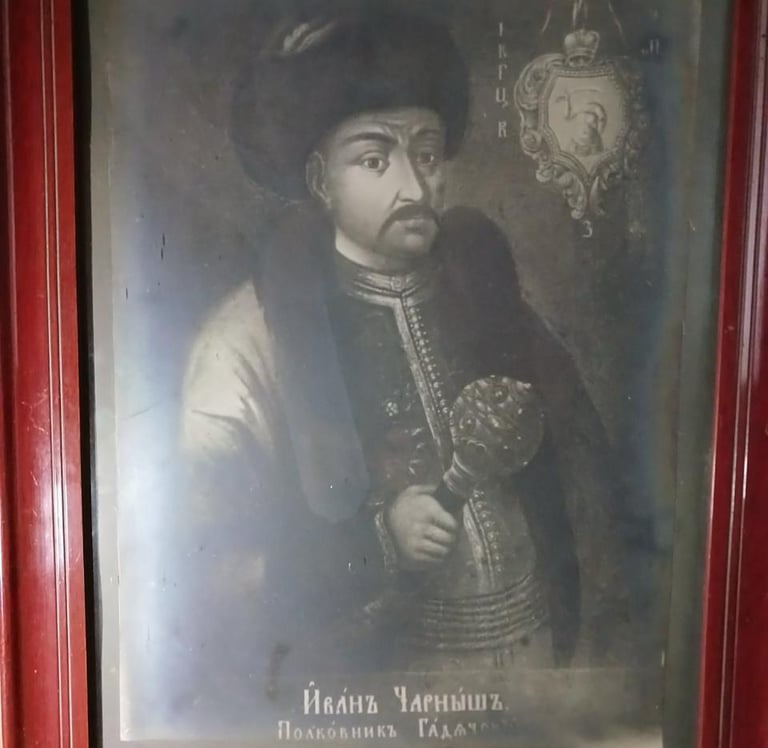
Ivan Fedorovich Charnysh
Ivan Charnysh served as Colonel of Hadiach from 1709 to 1715 before being appointed General Judge of the Cossack Hetmanate, one of the highest positions within the state.
The office of General Judge oversaw the legal system of the Hetmanate, administering courts, resolving disputes between regiments, and shaping the legal framework of the Cossack polity.
Under leaders such as Charnysh, the Hetmanate began evolving from a loose military confederation into a structured administrative state.
1759–1821
Nobility, Governance, and Agricultural Stewardship
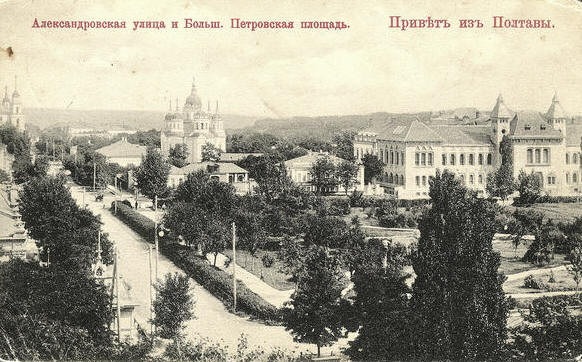
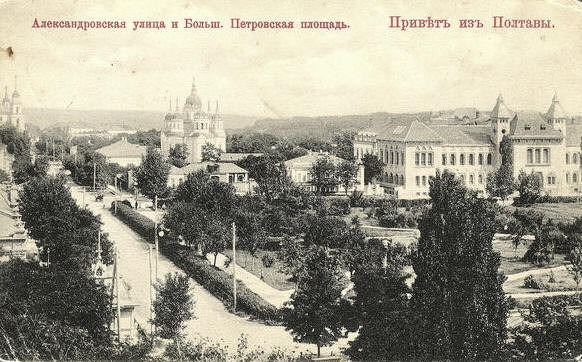
By the late eighteenth century, the Charnysh family had become prominent landowners in the fertile Poltava region.
Vasyl Charnysh served as Marshal of the Nobility of Poltava between 1801 and 1820, overseeing the regional assembly of landowners and participating in the administration of local governance.
The estates of the Poltava region formed part of the vast agricultural system that supplied grain to European markets.
1800s
The Grain That Fed Europe
Throughout the nineteenth century, the Ukrainian black-soil plains became one of the most productive agricultural regions in the world.
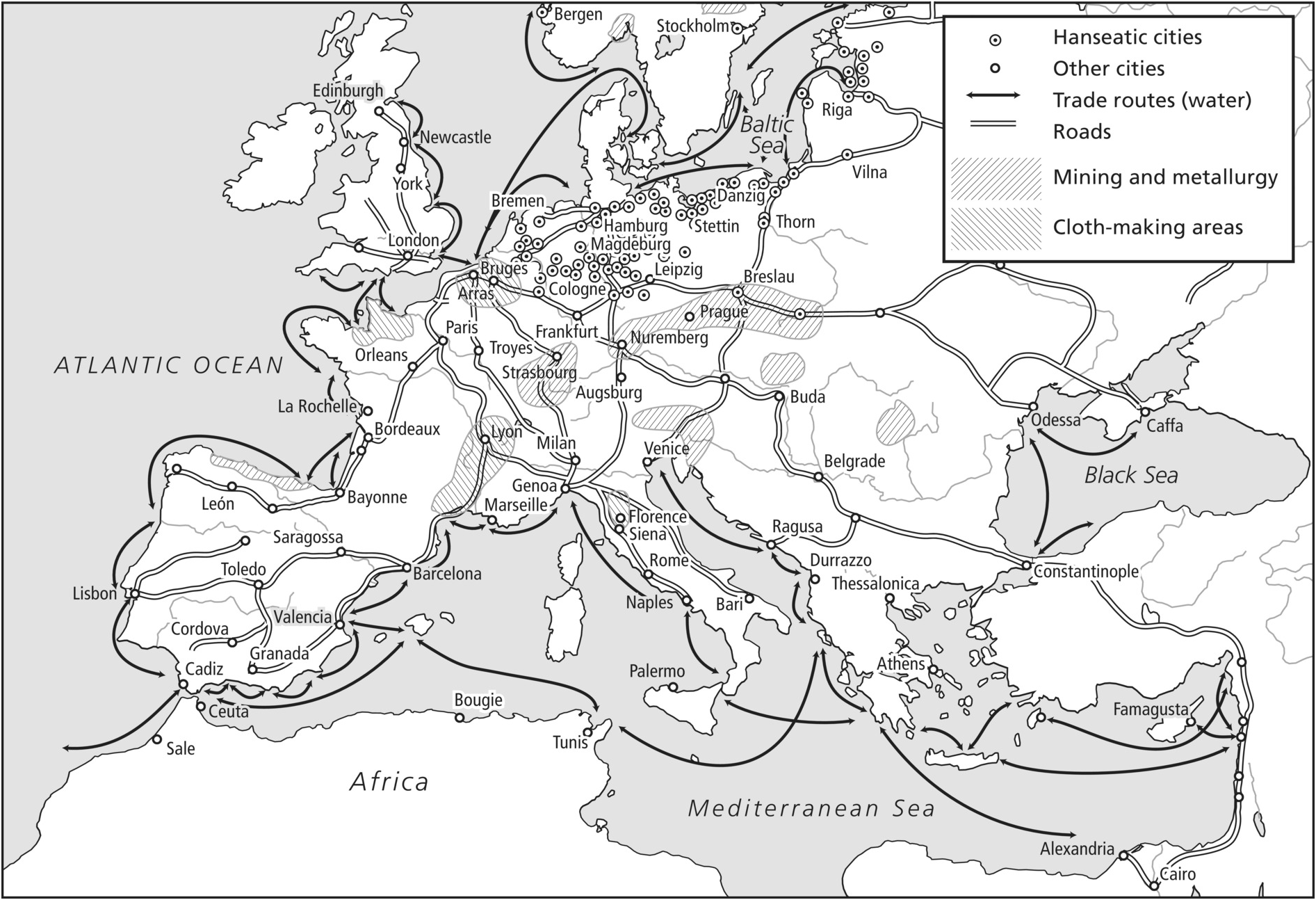
Large estates in the Poltava province produced wheat that was transported through river and rail networks to Black Sea ports, from which it was exported to Western Europe.
During periods of food shortages and crop failures in Western Europe, Ukrainian grain shipments became a vital supply source for countries including France.
Historical export records from the Russian Empire show that wheat from the Poltava region was shipped in significant volumes to European markets, including France, which imported large quantities during several agricultural crises.
The Charnysh estates formed part of this broader agricultural network that linked Eastern European farmland to the food security of Western Europe.
1877–1878
War and Imperial Service
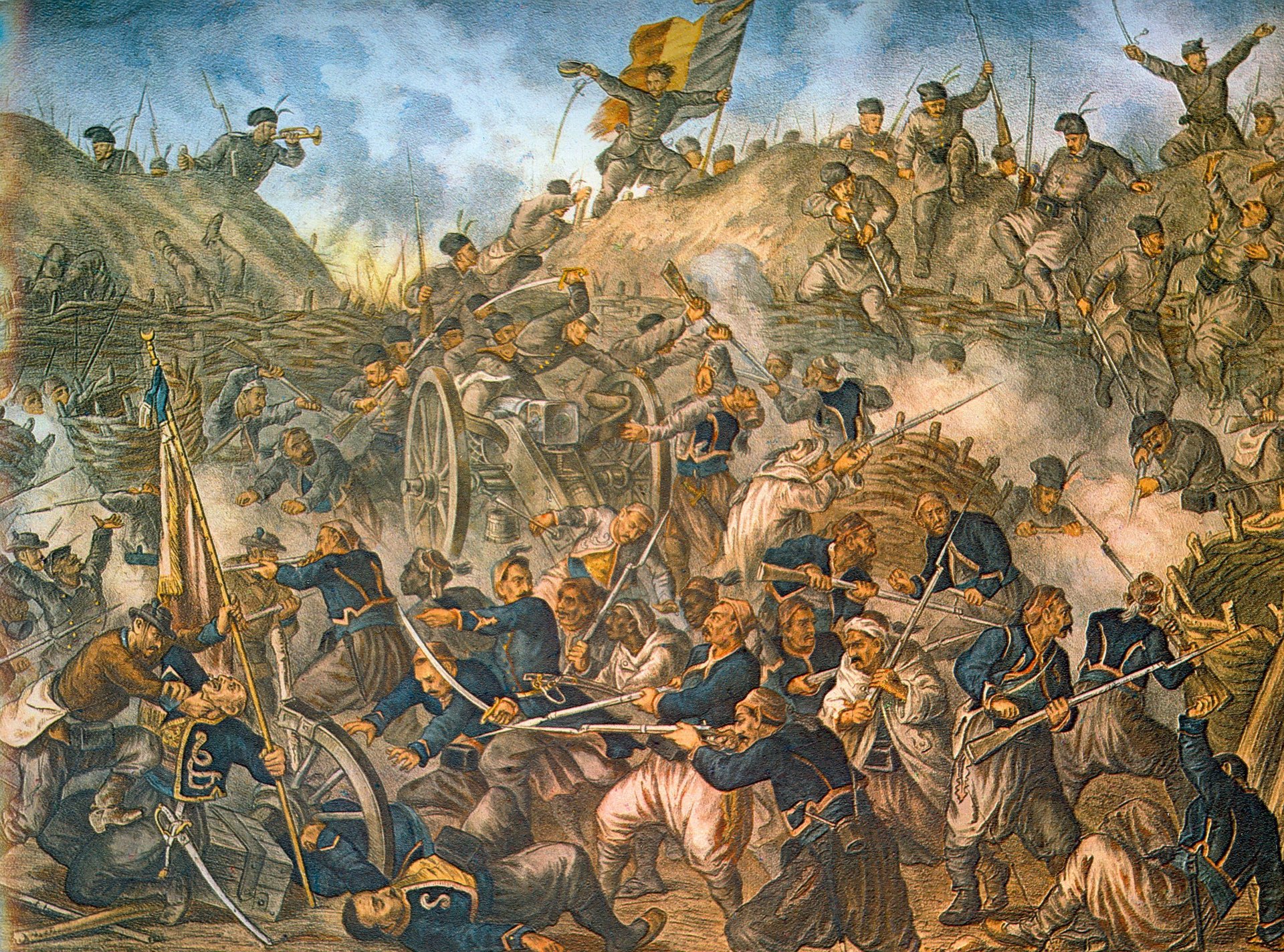
During the Russo-Turkish War, members of the Charnysh lineage once again entered military service.
Vasyl Nikolaevich Charnysh
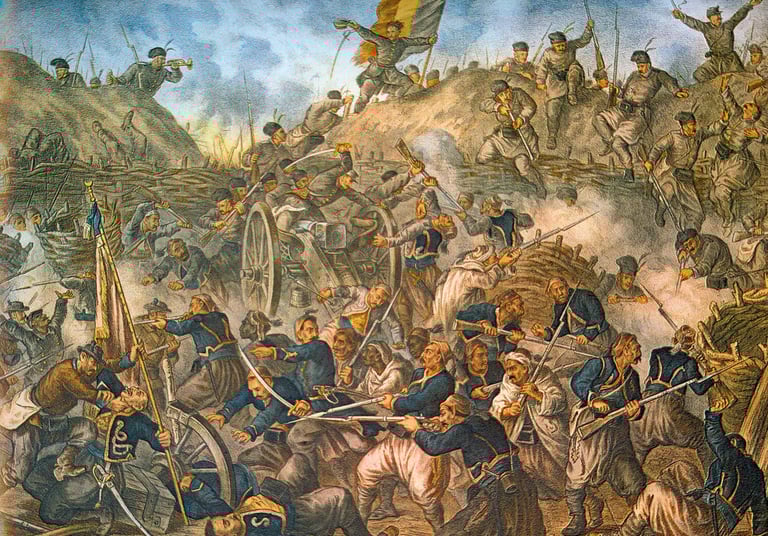
At the age of seventeen, Vasyl volunteered for the front lines and fought during the Siege of Plevna, where he was severely wounded.
The conflict ultimately resulted in the liberation of Bulgaria from Ottoman rule and reshaped the political balance of southeastern Europe.
1883–1914
The Rise of the Scientific Tradition
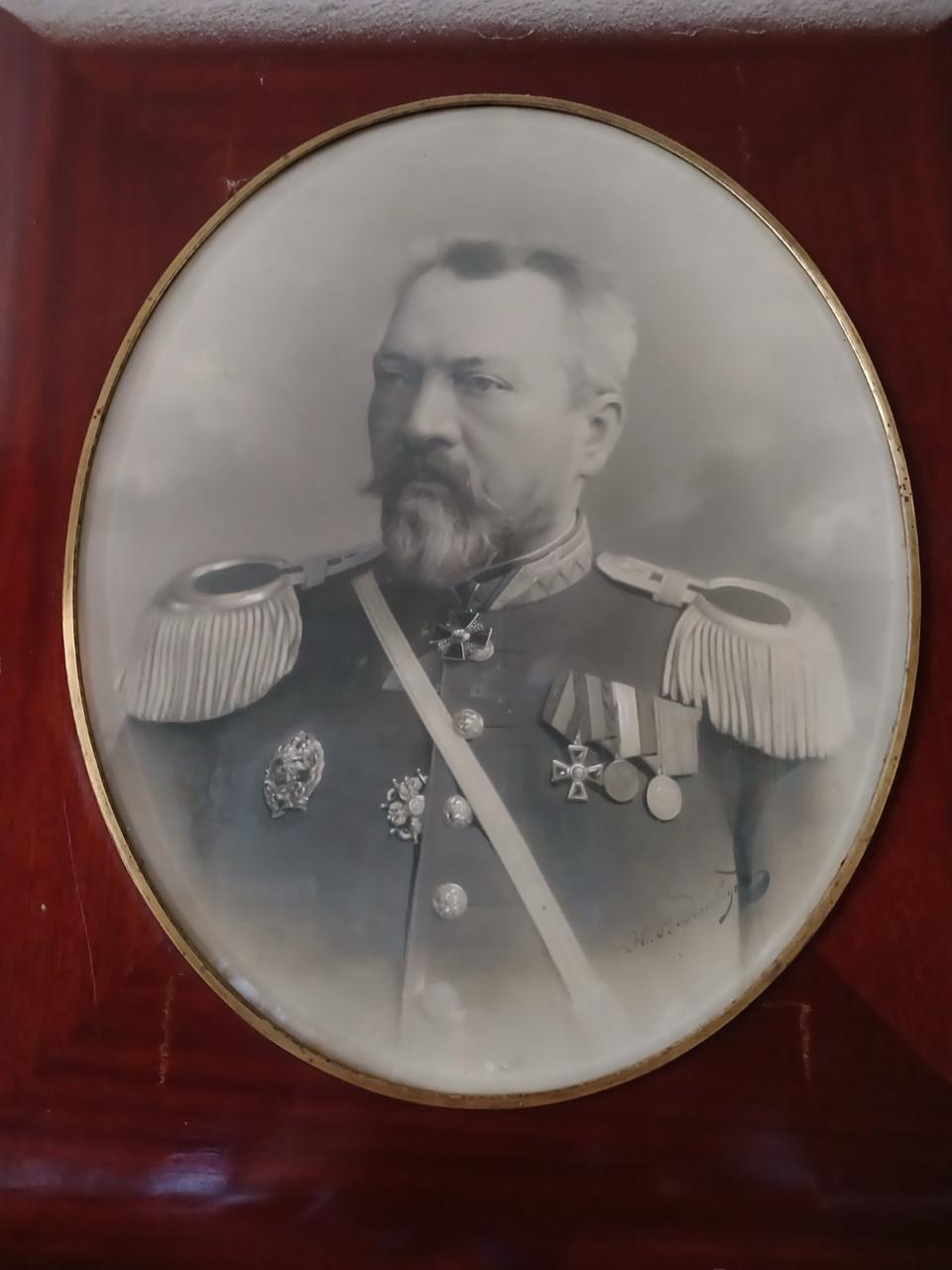
Aleksey Savvich Mytropolskyi
Aleksey Savvich Mytropolskyi studied physics and mathematics at St. Petersburg University, one of the leading scientific institutions of the Russian Empire.
He later completed legal studies before entering military service during World War I, eventually attaining the rank of colonel.
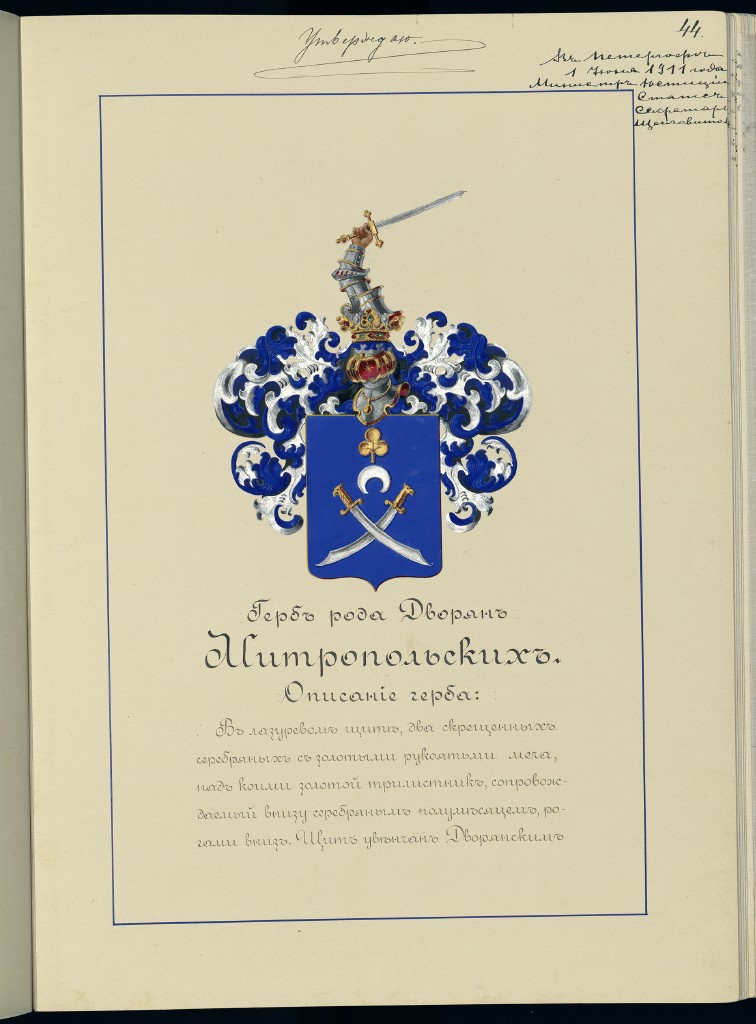
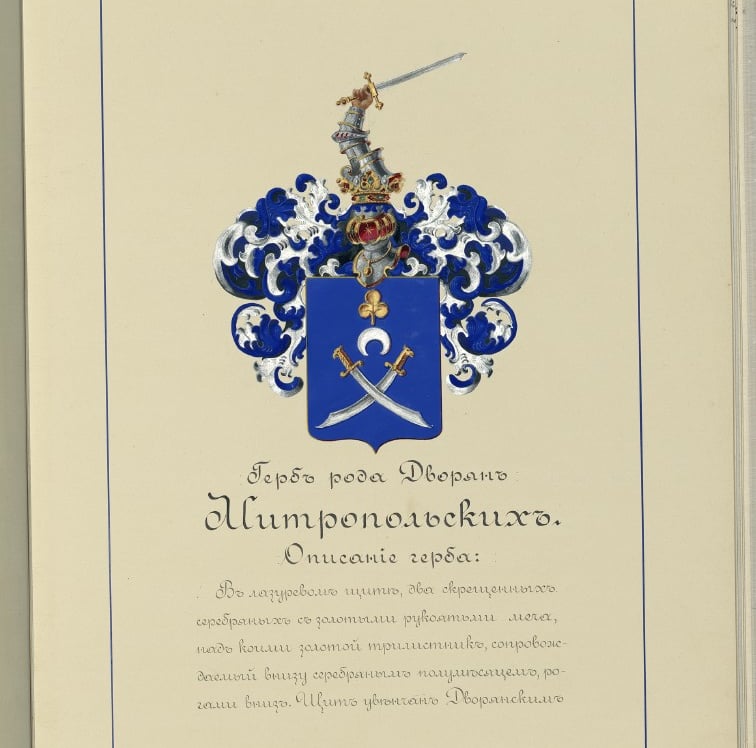
Fleeing of the Petrograd (modern day St. Petersburg) after 1905 Bloody Sunday Massacre, He moved to Poltava marrying Vera Vasilievna Charnysh, officially registering the current Family Crest with Imperial Authorities in 1911. later fleeing to Kyiv in 1918.
This generation represented the transition of the family from landed estates and governance into scientific and intellectual pursuits.
1917–1922
The Collapse of the Russian Empire
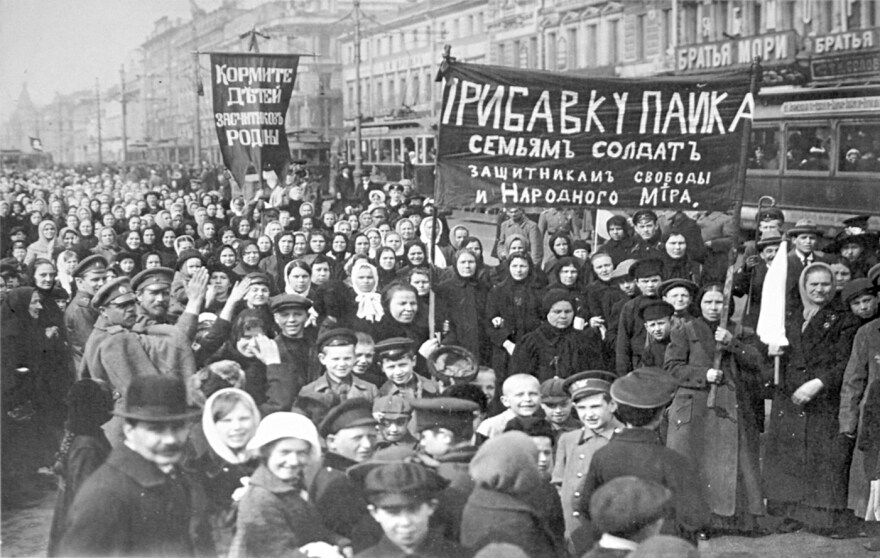
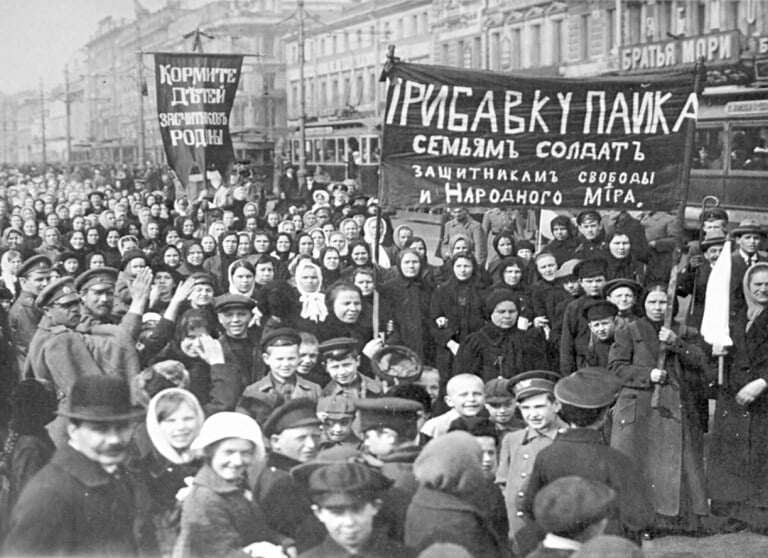
The beginning of the twentieth century brought the collapse of the imperial system that had governed Eastern Europe for centuries.
The February Revolution of 1917 forced the abdication of Emperor Nicholas II, ending the Romanov dynasty.
Later that year, the October Revolution brought the Bolsheviks to power.
Private estates were nationalized, noble titles abolished, and the social hierarchy of the Russian Empire dismantled.
For families with deep historical roots in the imperial system, this transformation required a fundamental reorientation toward professional and intellectual life.
1940s
War and Scientific Renewal
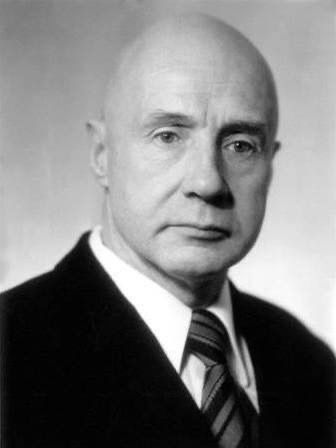
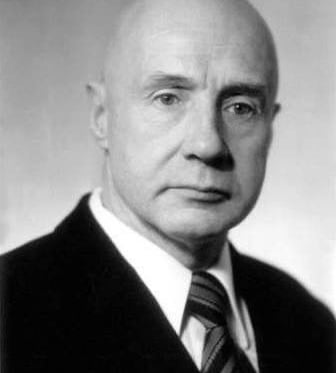
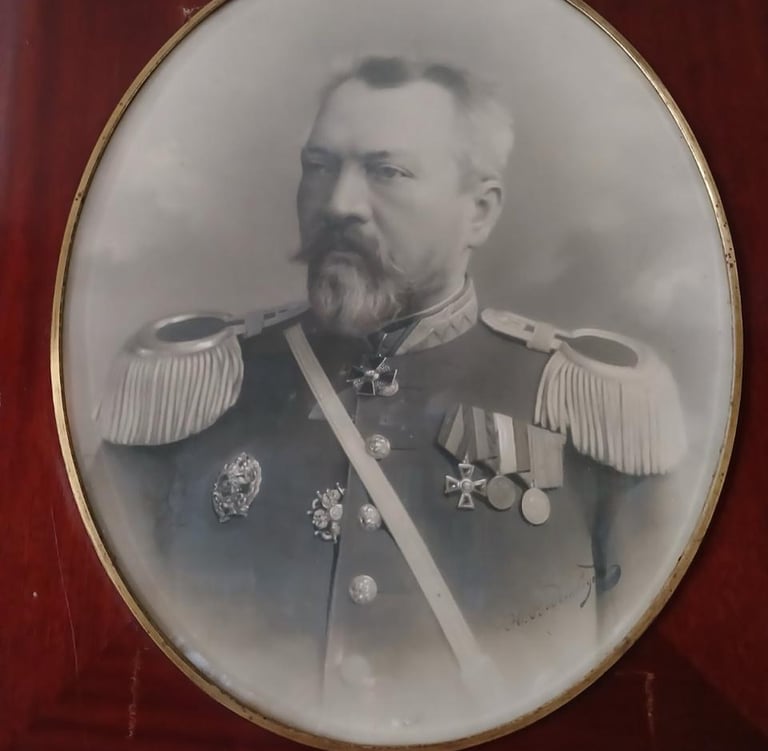
Yurii Mitropolskyi (1917–2008)
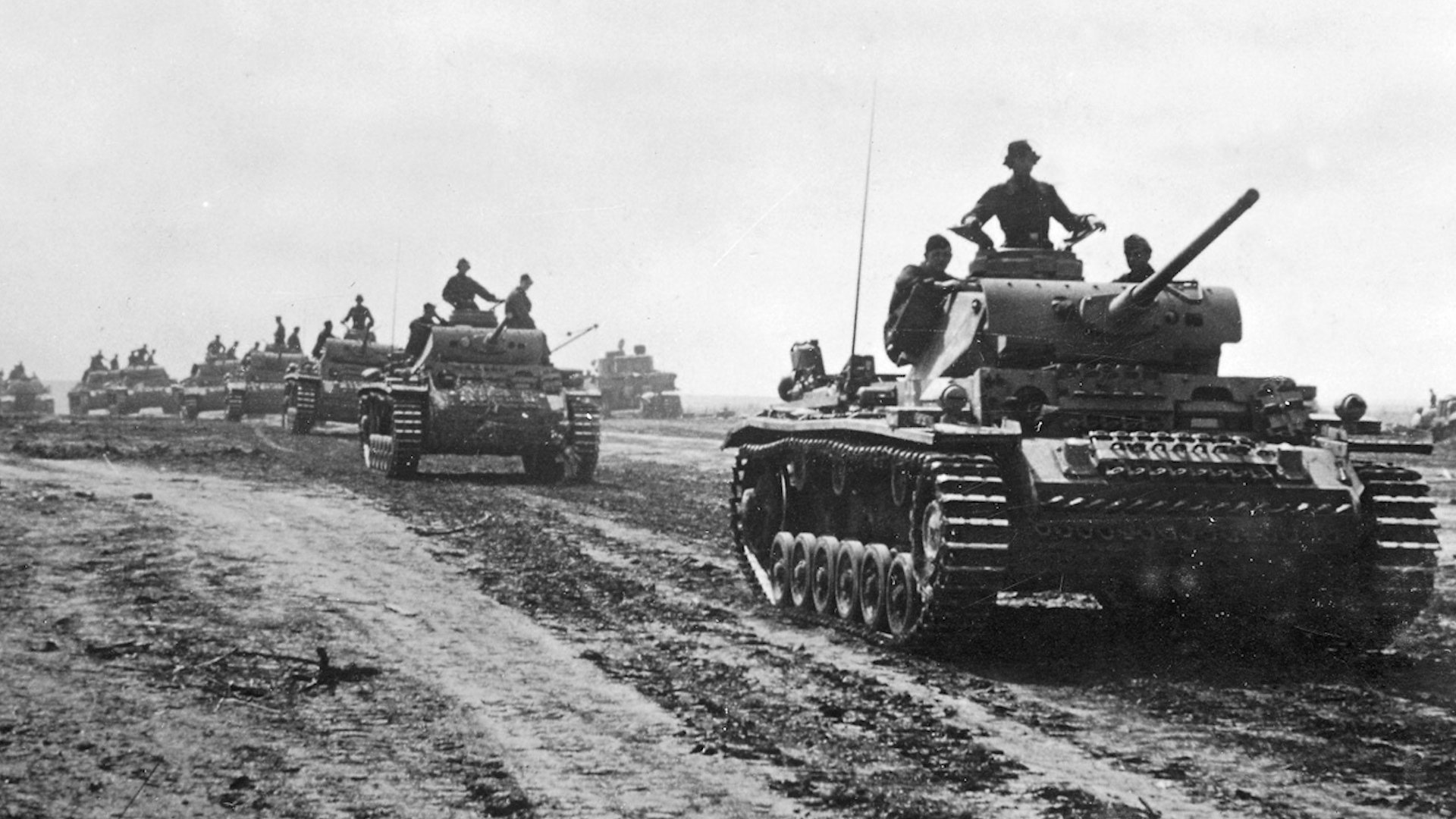
During World War II, Yurii Mitropolskyi served on the Eastern Front and participated in the Battle of Kursk, one of the largest battles in history.
Following the war, he began his scientific career under the mentorship of the renowned physicist Nikolay Bogolyubov.
Together they developed mathematical techniques that revolutionized the analysis of nonlinear oscillatory systems.
1950s–1980s
The Mathematical Revolution
Mitropolskyi’s research produced one of the most influential frameworks in modern applied mathematics: the Krylov–Bogolyubov–Mitropolskyi asymptotic method.
This mathematical system allowed scientists to understand complex oscillatory behavior in physical systems.
The impact of these discoveries extended across numerous fields:
Aerospace Engineering
The mathematical prediction of resonance and oscillation prevented catastrophic structural failures in aircraft caused by destructive vibration phenomena known as flutter.
Nuclear Physics
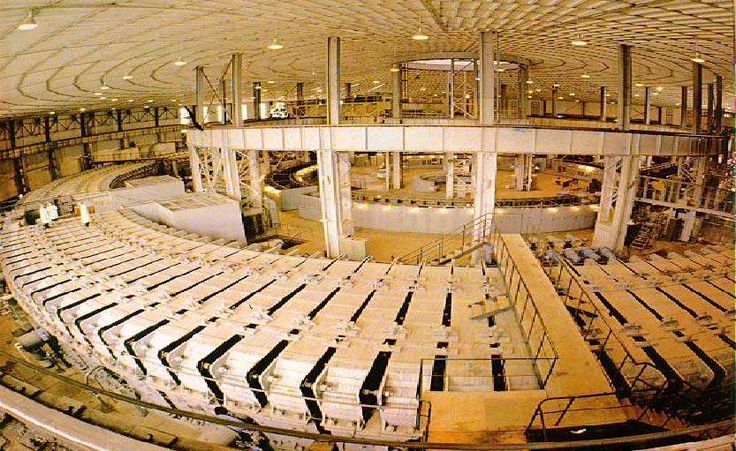
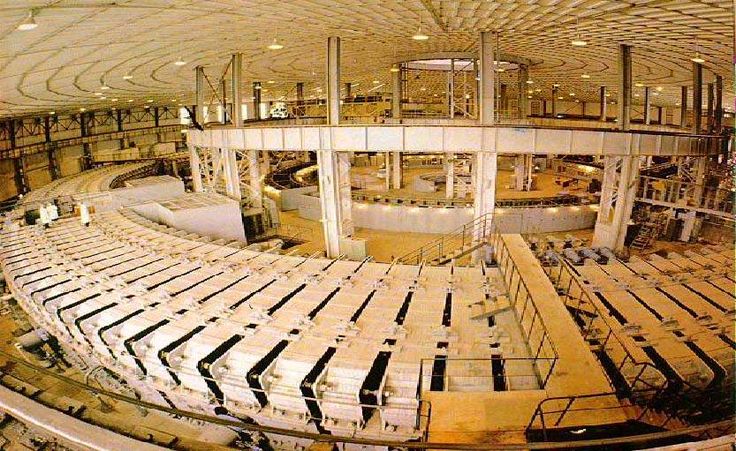
His mathematical models helped enable the safe construction of the Dubna Synchrophasotron at the Joint Institute for Nuclear Research, one of the most powerful particle accelerators of its time.
Electrical Infrastructure
His research enabled engineers to model the electromagnetic behavior of massive generators and transformers used in national power grids.
For thirty years, Mitropolskyi served as director of the Institute of Mathematics of the National Academy of Sciences of Ukraine, mentoring generations of mathematicians and establishing Kyiv as a global center for nonlinear mechanics.
1970s–2000s
Exploration of the World Ocean
Oleksiy Yuriyovych Mytropolskyi (1942–2021)
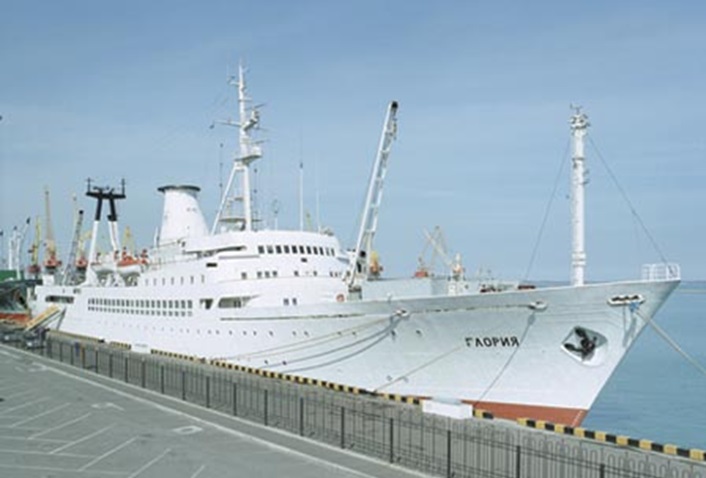
Where his father advanced theoretical mathematics, Oleksiy Mytropolskyi explored the geological structure of the Earth itself.
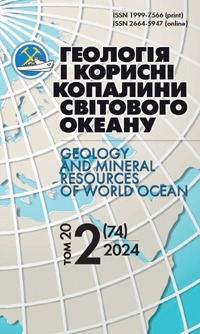
He became one of the founders of the Ukrainian school of marine geology.
His expeditions covered:
the Atlantic Ocean
the Indian Ocean
the Black Sea
Antarctica
His team produced the first geological-geophysical atlas of the economic zone of Guinea, contributing to the resource independence of West African nations.
His work helped establish modern disciplines such as marine geoecology and marine hydrogeology.
2000s
Entrepreneurial Ventures and the Modern Family Office
Following the post-Soviet transition, the Mytropolskyi family turned its focus from scientific exploration to strategic entrepreneurship.
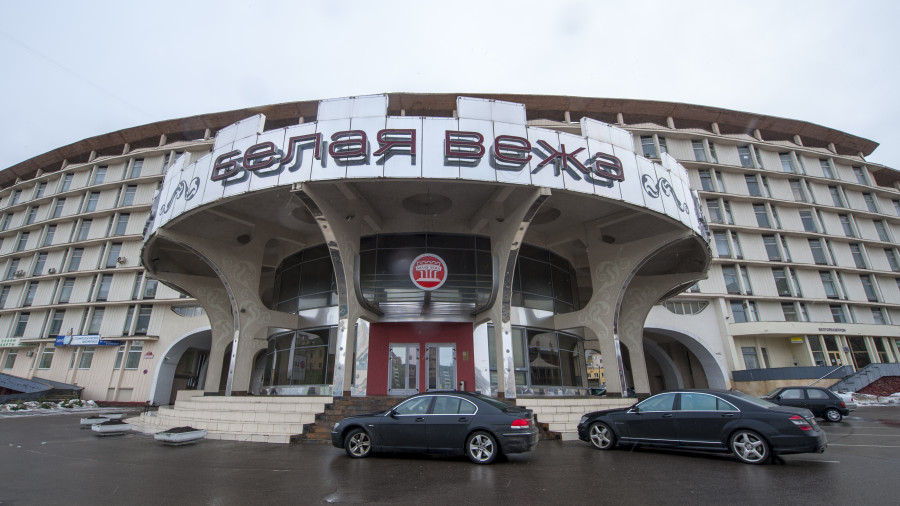
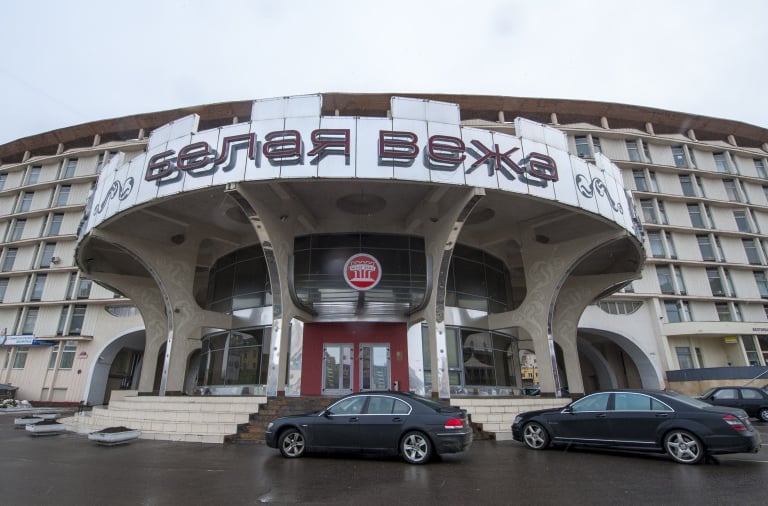
Key ventures included Saules Banka (1992–2001, Riga), facilitating East–West energy transactions; Private Holding Bank (2001–2012, Moscow), a client-focused investment bank that closed in good standing; and Bielaja Vieža Casino (2001–2010, Minsk), a full-service gaming and hospitality complex later sold to Finstar Financial Group.
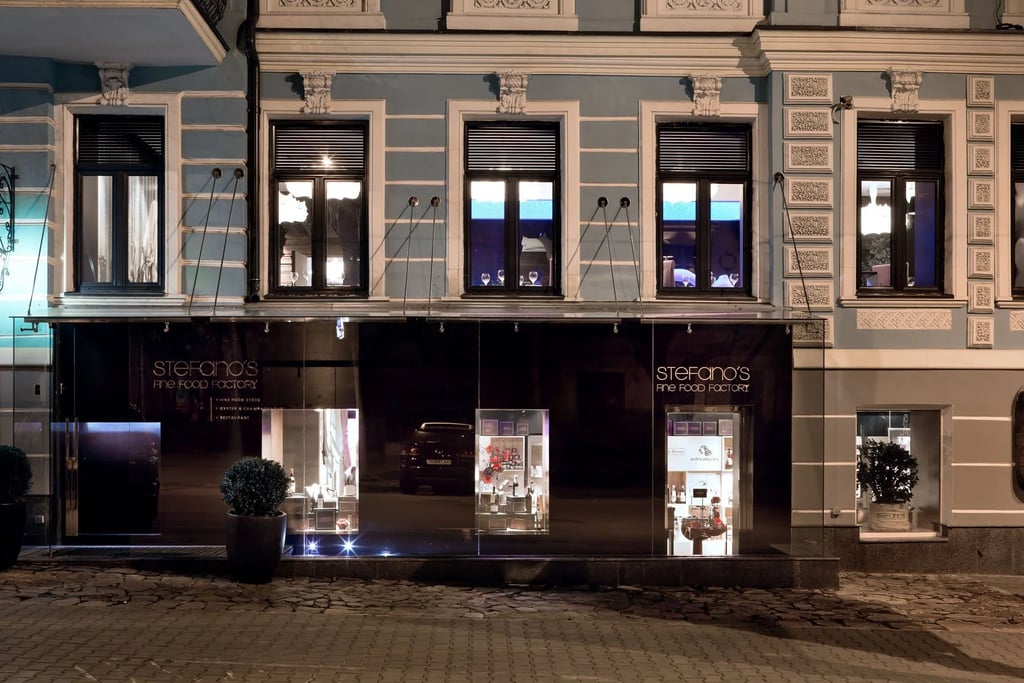
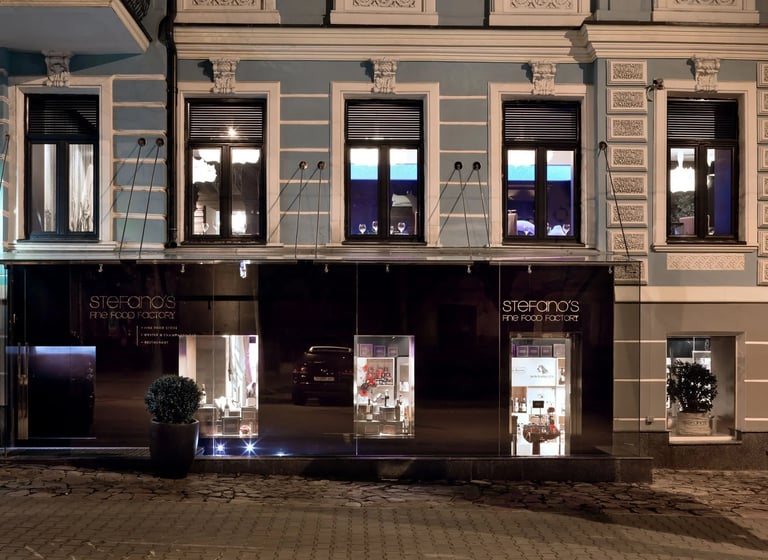
In Ukraine, the family pioneered hospitality with Stefano’s Fine Food Factory (2008–2015) and urban fast-casual dining through Snackeria to Go (2014–2016), introducing modern convenience and premium food service to Kyiv.
These experiences culminated in the formation of the Mytropolskyi Family Office, managing diversified investments while continuing the family’s centuries-long legacy of knowledge, enterprise, and stewardship.
TODAY
See our Current Ventures
We're still at hard-work dedicating ourselves to building the vision of tommorow today.


